Santa Cruz County, California Court Filing
Fee Lookup
Get a free court filing fee lookup estimate tailored to Santa Cruz County, California. We use California statutes and Santa Cruz County filing-fee data.
Court Filing Fee Lookup — Santa Cruz County, CA
Get a free estimate using California's verified data for Santa Cruz County.
Important: This tool provides educational estimates only — not legal advice. Made For Law is not a law firm and is not affiliated with, endorsed by, or connected to any federal, state, county, or local government agency or court system. Calculator results are based on statutory formulas and publicly available fee schedules — not AI. Supporting content is AI-assisted and editorially reviewed. Results may not reflect recent legislative changes or your specific circumstances. Do not rely solely on these estimates — always verify with official sources and consult a licensed attorney before making legal or financial decisions. Full disclaimer
California court filing fees vary across 58 counties — e-filing available (Cal. Prob. Code §§ 10800, 10810).
Key facts for Santa Cruz County court filing fee lookup
What to know about court filing fee lookup in Santa Cruz County

Court Filing in Santa Cruz County, California
Court filing fees in Santa Cruz County, California are collected by the Santa Cruz County Superior Court in Santa Cruz according to California's statutory fee schedule, plus any local surcharges authorized by county ordinance. California's court structure — Superior Court (unified trial court — all divisions) — determines which courthouse accepts which case types and what fees apply.
The Santa Cruz County Superior Court operates as a high-volume court with structured calendars. Confirming the current fee schedule with the clerk's office is recommended, as fees can change when new state legislation takes effect or when the county updates its local surcharge schedule.
For the full California court filing fee schedule, see our California Court Filing Fees.
Santa Cruz County Court Information
The Santa Cruz County Superior Court is located at 701 Ocean Street, Room 110, Santa Cruz, CA 95060. The court clerk can be reached at (831) 420-2200.
Visit the court's website for current forms, fee schedules, and filing instructions. Electronic filing is available.
Office hours: Mon–Fri 8:00 AM–4:00 PM.
Filing Fees at the Santa Cruz County Superior Court
- Filing fees in Santa Cruz County are based on California's statutory schedule, which applies statewide, plus any local surcharges assessed by the county. For reference, the statewide base fees by case type are: probate and estate filings — $435–$515 (Superior Court, Probate Division)
- civil complaints and appearances — $435 (unlimited civil) / $30–$225 (limited civil)
- family law matters (divorce, custody, support) — $435–$450 (Superior Court, Family Division)
- small claims filings — $30–$75 (Superior Court small claims). These figures represent the state-level base
- the total amount due at the Santa Cruz County Superior Court in Santa Cruz may include additional local charges.
As a high-volume jurisdiction, Santa Cruz County may assess higher local surcharges than smaller counties, reflecting the greater administrative cost of operating a busy court in Santa Cruz.
- Beyond the initial filing fee, Santa Cruz County litigants and estate administrators should budget for recurring court costs throughout the proceeding: fees for filing subsequent motions and responses, charges for certified copies of letters testamentary or court orders (typically $5 to $25 per document in California), jury demand deposits in civil cases, and in probate matters, fees associated with filing the inventory, accountings, and petition for discharge.
- For a complete picture of expected court costs in Santa Cruz County, request the full fee schedule from the Santa Cruz County Superior Court clerk in Santa Cruz before initiating the proceeding.
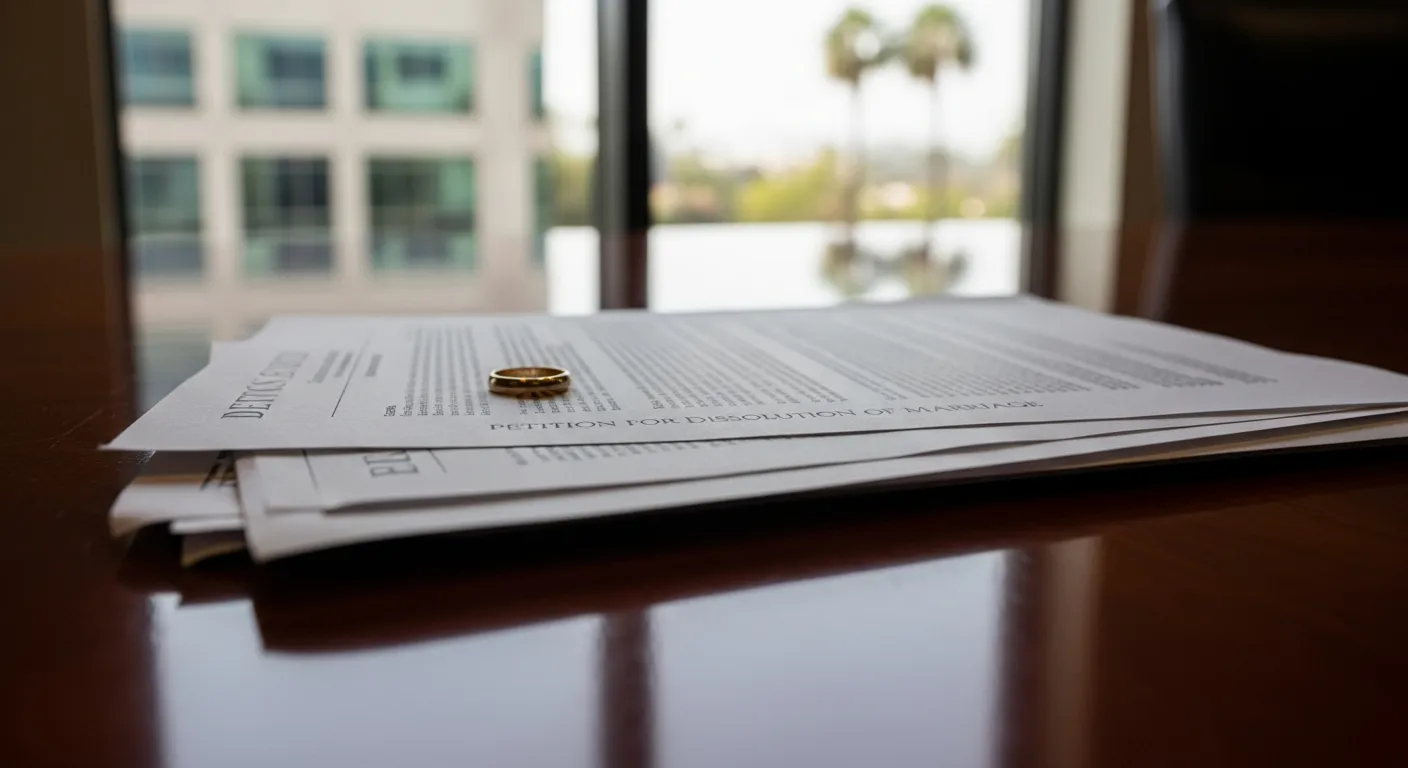
Electronic Filing in Santa Cruz County
California is expanding e-filing across its court system. The Santa Cruz County Superior Court in Santa Cruz likely participates in the state system — represented parties in civil and family matters may be required to file electronically.
Contact the clerk directly to confirm requirements for your case type and whether a convenience fee (typically $2–$8 per transaction) applies. For full statewide e-filing details, see our California Court Filing Fees.
Ready to calculate?
Free estimate for Santa Cruz County, California.
Fee Waivers at the Santa Cruz County Superior Court
- Santa Cruz County residents who cannot afford court filing fees may apply for a fee waiver under Cal.
- Gov.
- Code § 68631.
- To apply, file a declaration of financial condition with the Santa Cruz County Superior Court clerk's office in Santa Cruz at the time of your initial filing.
- The declaration lists all household income sources, monthly expenses, assets, and liabilities.
- A judge or court commissioner reviews the application and issues an order granting or denying the waiver, typically within a few days of submission.
- Eligibility for a fee waiver in Santa Cruz County generally requires that household income fall at or below 125% to 200% of the federal poverty level, or that the applicant is receiving qualifying public benefits — commonly Medicaid, SNAP, SSI, or public housing assistance.
- The specific income thresholds and qualifying programs are defined in Cal.
- Gov.
- Code § 68631 and may have been updated by recent legislation.
- Ask the Santa Cruz County Superior Court clerk in Santa Cruz for the current income guidelines before completing your declaration.
- A granted fee waiver covers filing fees charged by the Santa Cruz County Superior Court — including initial filing fees and subsequent filings in the same case — but does not cover costs owed to third parties.
- In Santa Cruz County probate proceedings, a fee waiver does not eliminate the cost of publishing a notice to creditors in a newspaper of general circulation (a statutory requirement in most states), service of process fees paid to process servers or the sheriff's office, or costs for court-ordered appraisals.
- Budget for these additional costs separately even when a fee waiver is in effect.
Looking for statewide data? View the full California court filing fee lookup guide — statutory rates, fee schedules, and a breakdown covering all California counties.
Questions families ask about Santa Cruz County court filing fee lookup
Edited and reviewed by our editorial team. Answers are general information — not legal advice.
Q: Where do I pay court filing fees in Santa Cruz County?
A: Filing fees are paid to the clerk of court at the Santa Cruz County Superior Court in Santa Cruz. In-person payment is accepted during business hours. If e-filing is available for your case type, fees are collected through the e-filing system at time of submission. Contact the court for current hours and accepted payment methods.
Q: What is the filing fee to open a probate estate in Santa Cruz County?
A: The statewide base fee for probate filings in California is $435–$515 (Superior Court, Probate Division). Local surcharges in Santa Cruz County may add to this amount. Subsequent filings during administration — inventories, accountings, and motions — carry additional fees.
Q: Can I get a fee waiver in Santa Cruz County?
A: Yes. Santa Cruz County residents who meet the income eligibility requirements under Cal. Gov. Code § 68631 can apply for a fee waiver by filing a declaration of financial condition with the Santa Cruz County Superior Court clerk in Santa Cruz. Waivers cover court filing fees but not third-party costs such as publication or process service fees.
Q: Is e-filing available at the Santa Cruz County Superior Court in Santa Cruz?
A: E-filing is likely available for many case types at the Santa Cruz County Superior Court in Santa Cruz. Confirm with the clerk whether e-filing is available, mandatory, or optional for your specific case type.
Q: How do court fees in Santa Cruz County compare to other California counties?
A: All California counties pay the same state statutory base fees, but local surcharges vary. As a high-volume jurisdiction, Santa Cruz County may assess higher local surcharges than smaller counties. Contact the Santa Cruz County Superior Court in Santa Cruz for the exact current total.
User Reviews
No reviews yet. Be the first to rate this calculator!
Court Filing Fee Lookup in nearby California counties
Data sourced from California court fee schedules and published Santa Cruz County court information. Filing fees vary by case type, waiver eligibility, and clerk requirements. Population data from the 2020 U.S. Census. Made For Law is not affiliated with, endorsed by, or connected to any federal, state, county, or local government entity. This tool is for informational purposes only and does not constitute legal advice.
Legal professional? Learn about our tools for legal professionals
Run your Santa Cruz County court filing fee lookup estimate in under a minute.
Free. No signup. Sourced to California fee schedules and Santa Cruz County clerk information.
Open the calculatorLegal information, not legal advice. The Court Filing Fee Lookup for Santa Cruz County, California produces estimates based on California fee schedules and Santa Cruz County clerk information. Actual outcomes vary by case. For advice about your situation, consult a licensed California attorney.