Minnesota DUI
Penalty Calculator
Look up DUI/DWI penalties in Minnesota — fines, jail time, and license suspension.
Estimate your Minnesota DUI Penalty
Look up DUI/DWI penalties in Minnesota — fines, jail time, and license suspension.
Data sourced from Minnesota statutes and court fee schedules.
Important: This tool provides educational estimates only — not legal advice. Made For Law is not a law firm and is not affiliated with, endorsed by, or connected to any federal, state, county, or local government agency or court system. Calculator results are based on statutory formulas and publicly available fee schedules — not AI. Supporting content is AI-assisted and editorially reviewed. Results may not reflect recent legislative changes or your specific circumstances. Do not rely solely on these estimates — always verify with official sources and consult a licensed attorney before making legal or financial decisions. Full disclaimer
Minnesota DUI/DWI penalties are enforced across 87 counties under Minn. Stat. § 524.3-719.
Key Takeaways
- BAC limit: 0.08% in Minnesota (DWI)
- First offense: up to $1,000 fine, 90 days license suspension
- No mandatory minimum jail for first offense (judicial discretion)
- Refusal penalty: 1-year license revocation (criminal charge for refusal)
Key facts for Minnesota dui penalty
What drives dui penalty in Minnesota
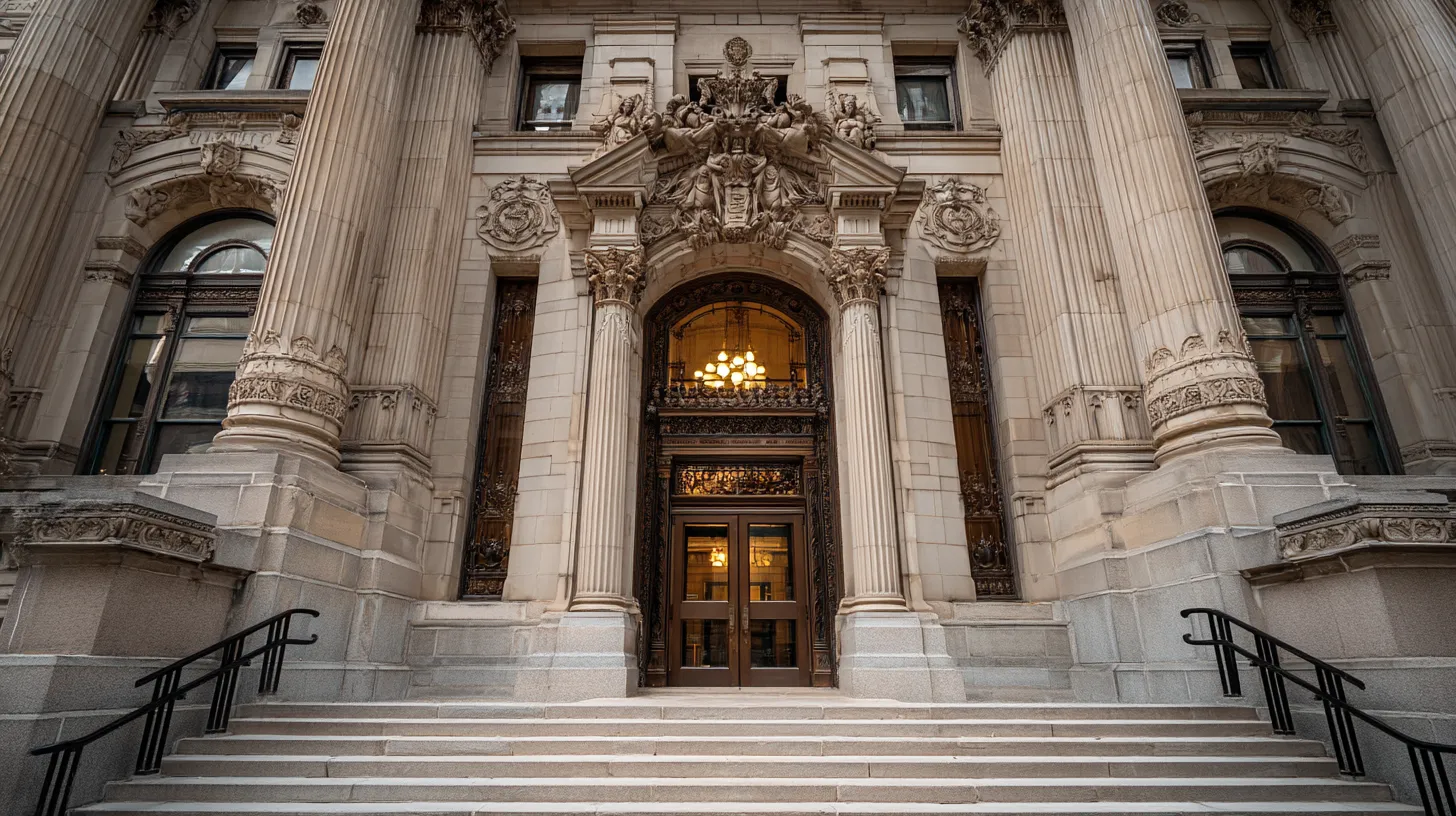
DWI Laws in Minnesota
A first-offense DWI in Minnesota carries fines of up to $1,000, jail time of up to 90 days, and a license suspension of 90 days. The BAC limit is 0.08%; for drivers under 21 the zero-tolerance limit is 0.00%.
Commercial drivers face a 0.04% limit nationwide.
A DWI charge in Minnesota can be based on a per se violation (BAC at or above the legal limit) or on impairment — meaning an officer observed signs of intoxication regardless of BAC level. Drug-impaired driving, including prescription medications and marijuana, falls under the same statute.
Minnesota law enforcement officers use standardized field sobriety tests, breathalyzer tests, and blood draws to establish impairment. Refusing a chemical test triggers separate penalties under Minnesota's implied consent law.
DWI penalties in Minnesota escalate sharply with each subsequent offense. The state uses a 10 years lookback period to determine whether a new arrest counts as a first, second, or subsequent offense.
Prior convictions outside this window may not count for enhancement purposes, though some states have moved to lifetime lookback periods. Understanding where your case falls in this framework is critical to anticipating potential consequences.
Key reference: Minn. Stat.
§ 524.3-719.
Minnesota's DWI cases are heard in District Court. Minnesota allows sobriety checkpoints.
Minnesota has a unique criminal refusal law — refusing a breath, blood, or urine test is itself a crime (misdemeanor for first refusal, escalating for subsequent refusals) under Minnesota's implied consent law as interpreted in State v. Bernard (2015).
This makes Minnesota's refusal consequences more severe than most states. Minnesota requires completion of a chemical dependency evaluation and recommended treatment as conditions of license reinstatement.
SR-22 is required for 3 years. Minnesota's Whiskey Plates (special license plates beginning with 'W') are required for vehicles registered to DWI offenders in some cases — a public stigma measure.
Minnesota's Ignition Interlock Program allows restricted driving during revocation. Cannabis is legal in Minnesota — but no per se THC standard exists.
First Offense DWI Penalties in Minnesota
A first-offense DWI in Minnesota carries jail time of up to 90 days, fines of up to $1,000, and a license suspension of 90 days. Minnesota does not impose mandatory minimum jail time for a first-offense DWI, giving judges discretion to impose alternative sentences such as community service, probation, or alcohol education programs.
Beyond the statutory penalties, a first-offense DWI in Minnesota carries significant collateral consequences. These include a permanent criminal record (in most states), dramatically increased auto insurance premiums ($3,000–$5,000+ annually for 3–5 years), mandatory alcohol or drug education classes (typically 12–36 hours), and potential impacts on employment, professional licensing, and child custody.
The total cost of a first-offense DWI — including fines, fees, insurance increases, legal costs, and lost wages — typically ranges from $10,000 to $25,000.
Most first-offense DWI cases in Minnesota are classified as misdemeanors. Diversion or deferred adjudication programs may be available for first-time offenders, allowing the charge to be reduced or dismissed upon successful completion of court-mandated conditions.
These programs typically require substance abuse assessment, completion of a treatment program, community service, and a period of monitored sobriety. Eligibility varies by county and judicial district.

Second and Third Offense DWI in Minnesota
Penalties for a second DWI offense in Minnesota are substantially more severe than a first offense. Mandatory minimum jail sentences typically apply, fines increase significantly, and license suspension periods are extended.
In Minnesota, a second offense within the 10 years lookback period triggers enhanced penalties that may include mandatory jail time, extended probation, and mandatory installation of an ignition interlock device. The court has less discretion to offer alternative sentencing for repeat offenders.
A third DWI offense in Minnesota often crosses the threshold into felony territory. In Minnesota, a third offense remains a misdemeanor with enhanced penalties, but a fourth offense is classified as a felony with potential state prison time.
Felony DWI convictions carry long-lasting consequences including potential loss of voting rights, firearm ownership restrictions, and severe employment barriers.
The lookback period in Minnesota is 10 years. This is the window during which prior DWI convictions count as "priors" for sentencing enhancement purposes.
If a prior conviction falls outside the 10 years lookback window, a new offense may be sentenced as a first offense. However, the prior conviction still appears on the driving record and criminal history.
Aggravated DWI in Minnesota
Minnesota imposes enhanced penalties for aggravated DWI, which typically applies when the driver's BAC is 0.16% or higher — well above the standard 0.08% limit. An aggravated or "high BAC" DWI carries stiffer mandatory minimums, longer license suspensions, and in many cases mandatory jail time even for a first offense.
The elevated BAC level is considered strong evidence of extreme impairment and reckless disregard for public safety.
Beyond high BAC, other aggravating factors in Minnesota can elevate a standard DWI charge. Driving under the influence with a minor child in the vehicle (typically under age 16) is a separate or enhanced offense in most states, often adding mandatory jail time and additional criminal charges such as child endangerment.
Causing bodily injury or death while driving under the influence elevates the charge to a felony in virtually every state, with potential prison sentences of 5–20+ years.
Other common aggravating factors include driving on a suspended or revoked license at the time of the DWI arrest, excessive speeding (typically 20+ mph over the limit), driving the wrong way on a highway, and fleeing from law enforcement. Each of these factors can independently increase the severity of the charges and penalties.
In some jurisdictions, multiple aggravating factors can stack, resulting in consecutive sentences.
Ready to calculate?
Get a free Minnesota estimate using actual statutory data.
License Suspension and Ignition Interlock in Minnesota
A DWI arrest in Minnesota triggers two separate license actions: an administrative license suspension (sometimes called Administrative License Revocation or ALR) imposed by the DMV, and a court-ordered suspension upon conviction. The administrative suspension takes effect shortly after arrest — often within 30 days — regardless of whether the criminal case has been resolved.
In Minnesota, the first-offense administrative suspension is typically 90 days. Drivers may request an administrative hearing to challenge the suspension, but strict deadlines apply (usually 10–30 days from the date of arrest).
Minnesota requires an ignition interlock device (IID) for first-offense DWI convictions. The IID is a breathalyzer connected to the vehicle's ignition that prevents the engine from starting if the driver's BAC exceeds a preset limit (typically 0.02–0.04%).
The device must be installed at the driver's expense ($70–$150 for installation plus $60–$80 per month for monitoring and calibration). The interlock requirement typically lasts 6–12 months for a first offense, with longer periods for repeat offenders.
Restricted or hardship licenses may be available in Minnesota during the suspension period, allowing driving to and from work, school, medical appointments, and court-ordered programs. Eligibility for a restricted license often requires installing an ignition interlock device and providing proof of SR-22 (high-risk) auto insurance.
Driving on a suspended license after a DWI conviction is a separate criminal offense that can result in additional jail time, fines, and extended suspension.

Implied Consent and Refusal Penalties in Minnesota
Like all states, Minnesota has an implied consent law — by operating a motor vehicle on Minnesota roads, you have implicitly agreed to submit to chemical testing (breath, blood, or urine) if an officer has probable cause to believe you are driving under the influence. Refusing a chemical test triggers separate administrative penalties that are often more severe than the penalties for failing the test.
In Minnesota, the penalty for refusing a chemical test on a first occurrence is 1-year license revocation (criminal charge for refusal).
Refusal to submit to testing is often used as evidence against the driver at trial. Prosecutors can argue that the refusal demonstrates consciousness of guilt — the driver knew they would fail the test.
Some states allow the jury to draw an adverse inference from the refusal. However, refusal also means there is no BAC evidence for the prosecution to present, which can make it harder to prove impairment.
This strategic calculation is one reason drivers sometimes refuse testing despite the administrative consequences.
Minnesota law distinguishes between field sobriety tests and chemical tests under implied consent. Drivers can generally refuse field sobriety tests (walk-and-turn, one-leg stand, horizontal gaze nystagmus) without triggering implied consent penalties.
The implied consent law applies specifically to evidentiary chemical testing — typically a breathalyzer at the station or a blood draw. Portable breath tests (PBTs) used roadside may also fall outside the implied consent framework in some jurisdictions.
Consult a Minnesota DUI attorney immediately if you are facing refusal charges.
Questions families ask about Minnesota dui penalty
Edited and reviewed by our editorial team. Answers are general information — not legal advice.
What is the BAC limit in Minnesota?
The standard BAC limit is 0.08%. For commercial drivers it is 0.04%, and for drivers under 21 it is 0.00% under the zero-tolerance policy. For national data on impaired driving and BAC-related laws, see NHTSA impaired driving data and laws.
What are the penalties for a first DWI in Minnesota?
A first offense carries jail time of up to 90 days, fines of up to $1,000, and a license suspension of 90 days. Additional costs for insurance increases, legal fees, and classes typically bring the total to $10,000–$25,000.
Is a first DWI a felony in Minnesota?
A first offense DWI is generally a misdemeanor in Minnesota. However, if the incident involves serious injury or death, or other aggravating factors, it can be charged as a felony. A DWI becomes a felony at the 4th offense in 10 years level in Minnesota.
What happens if I refuse a breathalyzer in Minnesota?
Under Minnesota's implied consent law, refusing a chemical test results in 1-year license revocation (criminal charge for refusal). The refusal can also be used as evidence against you at trial.
Does Minnesota require an ignition interlock device?
Yes, Minnesota requires an ignition interlock device for first-offense DWI convictions. The device costs approximately $70–$150 for installation plus $60–$80 per month.
User Reviews
No reviews yet. Be the first to rate this calculator!
Get dui penalty for your county
DUI Penalty Calculator in states that border Minnesota
Key statutes: Minn. Stat. § 524.3-719
Sources
- Minnesota Judicial Branch — criminal court procedures, arraignment, and DUI hearings
- Minnesota Statutes — Revisor — DUI/DWI statutes, penalties, and license suspension rules
- Minnesota State Bar Association — criminal defense attorney resources and directory
DUI Penalty Calculator in other states
Legal professional? Learn about our tools for legal professionals
Run your Minnesota dui penalty estimate in under a minute.
Free. No signup. Reviewed by our editorial team and sourced to Minnesota statutes and fee schedules.
Open the calculatorLegal information, not legal advice. The DUI Penalty Calculator for Minnesota produces estimates based on public fee schedules and state statutes. Actual costs vary by case. For advice about your situation, consult a licensed Minnesota attorney.
Related Criminal Defense Calculators
Before filing, check court filing fees by state →