Guardianship Cost Estimator for Roberts County, South Dakota
- County Seat
- Sisseton
- Terminology
- guardian / conservator
- Population
- 10,394
- Population Tier
- rural
Estimate Guardianship Costs in Roberts County
Get a free estimate based on South Dakota's actual court requirements, typical attorney costs, and your specific situation.
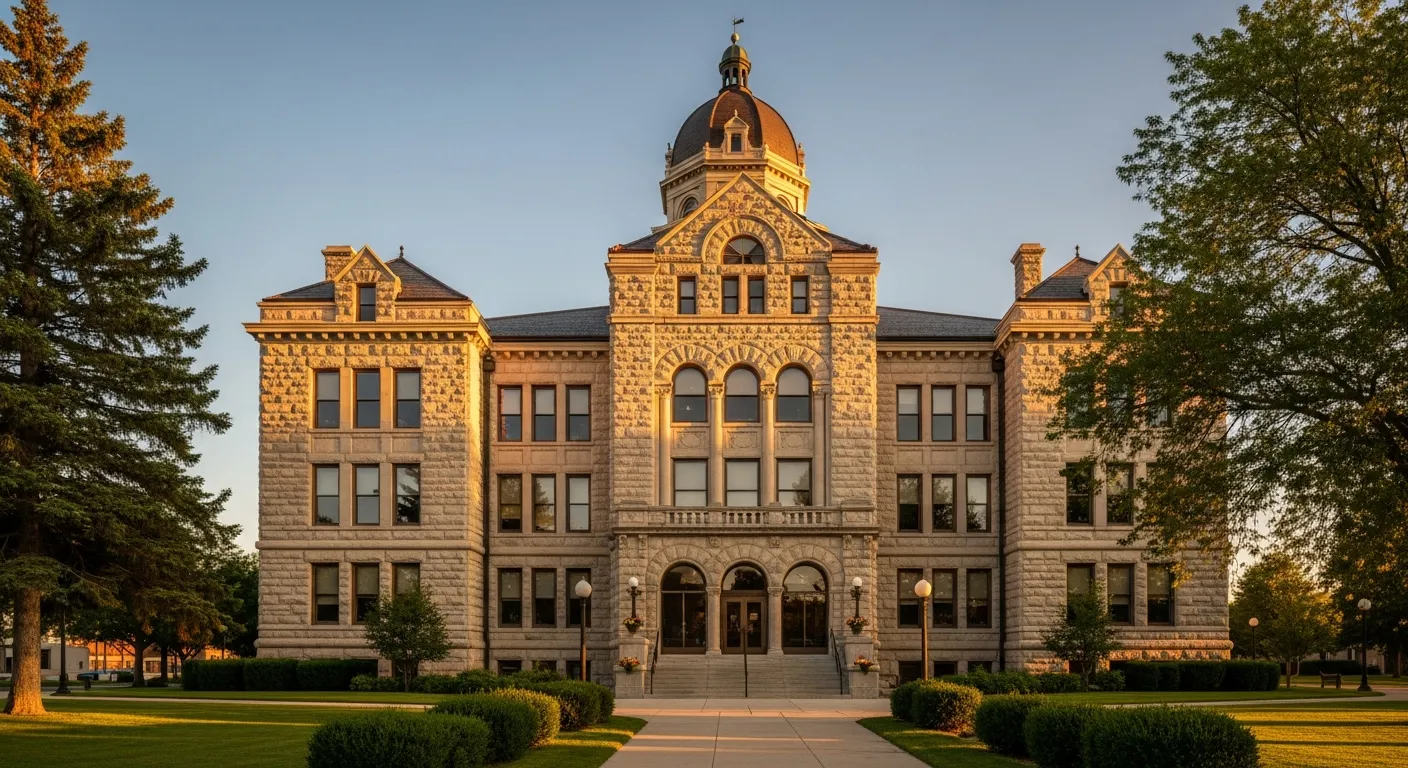
Guardianship Overview for Roberts County, South Dakota
Families in Roberts County, South Dakota seeking to establish guardianship file their petition at the Roberts County Circuit Court in Sisseton. The court applies SDCL §§ 29A-1-101 to 29A-4-209 to every guardianship proceeding.
For the full South Dakota guardianship cost breakdown, see our [South Dakota Guardianship Cost Estimator](/guardianship-cost-estimator/south-dakota).
South Dakota law uses the term "guardian / conservator" for this proceeding. When presenting court orders to local financial institutions, healthcare facilities, and government agencies in the Sisseton area, using the correct statutory title prevents delays. A guardian of the person manages healthcare and personal decisions; a guardian of the estate (or conservator, depending on the state's terminology) manages financial assets and files annual accountings with the Roberts County Circuit Court.
Roberts County Court Information
The Roberts County Circuit Court is located at 411 2nd Ave E, Sisseton SD 57262. The court clerk can be reached at (605) 698-7452.
Visit the court's website for current forms, fee schedules, and filing instructions.
Office hours: Mon–Fri 8:00 AM–5:00 PM.
Guardianship Cost Estimate for Roberts County
For an uncontested guardianship petition in Roberts County, budget $1,500–$5,000 for attorney fees. This range reflects both the complexity of a standard petition under South Dakota law and local attorney hourly rates in the Sisseton area, which typically run $175–$300/hour. The range widens when the ward's condition requires a more detailed medical evaluation, when family members are geographically dispersed, or when the ward's estate is substantial enough to trigger detailed financial disclosures.
Filing the petition at the Roberts County Circuit Court costs approximately $100–$400, with additional charges for each certified copy of the letters of guardianship and for serving notice on required parties. The capacity evaluation or physician's certification required by South Dakota courts costs $500–$2,500. If the court appoints a guardian ad litem or court visitor — which is common in Roberts County and throughout South Dakota — their fees typically add $500–$3,000 and are usually charged to the ward's estate.
A contested guardianship — where a family member objects to the appointment, disputes the finding of incapacity, or challenges the proposed guardian's fitness — dramatically increases costs. Contested proceedings in Roberts County can run $10,000–$50,000 or more per side in attorney fees, with each contested hearing adding to the total.

Guardianship Court Process in Roberts County
The Roberts County Circuit Court in Sisseton handles guardianship matters as part of a general docket rather than through a dedicated probate calendar. Flexible rural court schedules can mean more availability for straightforward cases, but confirm the court's specific procedures directly with the Sisseton clerk before submitting the petition.
South Dakota law requires that all interested parties — including close family members and the proposed ward themselves — receive formal notice of the guardianship petition. In Roberts County, this notice must be served in compliance with the court's local rules as well as the statewide statutory requirements. The court's clerk in Sisseton can provide the current approved forms for proof of service, and local elder law attorneys will be familiar with any additional notice requirements the Roberts County Circuit Court routinely enforces.
Guardian Ad Litem in Roberts County, South Dakota
Visitor or attorney appointed (SDCL § 29A-2-105). In Roberts County, the Roberts County Circuit Court routinely appoints an independent advocate — variously called a guardian ad litem, court visitor, court evaluator, or attorney ad litem depending on the state's statutory terminology — to independently investigate whether guardianship is necessary and appropriate. This person meets with the proposed ward, interviews family members, reviews medical records, and submits a written report and recommendation to the court.
The GAL or court visitor's fees are considered a cost of the guardianship proceeding and are typically paid from the ward's estate. In most South Dakota jurisdictions, including Roberts County, the court sets the GAL's fee at a reasonable hourly rate. For simple, uncontested cases in Roberts County, the GAL's total fees often range from $500 to $1,500. In contested proceedings, the investigation may be more extensive and the fees correspondingly higher.
The GAL's recommendation carries significant weight with the Roberts County Circuit Court, but it is not binding. In some cases, the GAL's investigation reveals that a less restrictive alternative — a durable power of attorney, representative payee designation, or supported decision-making agreement — would adequately protect the proposed ward without full court-supervised guardianship. Raising these alternatives early in the process can reduce costs and preserve the ward's autonomy.
Roberts County Guardianship — Frequently Asked Questions
How much does guardianship cost in Roberts County, South Dakota? For a straightforward uncontested petition, total costs — including attorney fees, court filing fees, the capacity evaluation, and any court-appointed evaluator — typically range from $3,000 to $10,000. Contested proceedings add significantly to this range. The bond premium (0.5%–1.0% of the estate value annually) is an ongoing cost, not a one-time expense.
Where is the Roberts County guardianship court? Guardianship petitions for Roberts County residents are filed with the Roberts County Circuit Court in Sisseton. The clerk's office can provide the current filing forms, the filing fee schedule, and information on local requirements for notice and service.
How long does guardianship take in Roberts County? An uncontested petition typically takes 4–12 weeks from filing to the first hearing, depending on the court's docket. As a rural jurisdiction, the Roberts County Circuit Court may be able to schedule hearings more quickly than the state's busier metropolitan courts. Emergency or temporary guardianship can often be obtained in days when there is an immediate threat to the ward's safety.
What is required to prove incapacity in Roberts County? South Dakota courts require clear and convincing evidence that the proposed ward lacks the capacity to make or communicate responsible decisions. This standard is typically met through a physician's certificate, neuropsychological evaluation, or other clinical documentation submitted with the petition. Under SDCL §§ 29A-1-101 to 29A-4-209, the court must also consider whether less restrictive alternatives exist before imposing full guardianship.
Can guardianship be terminated in Roberts County? Yes. Any interested person — including the ward — may petition the Roberts County Circuit Court to modify or terminate the guardianship based on a change in circumstances. The court will evaluate whether the ward has regained sufficient capacity to manage their own affairs. South Dakota law also allows the guardian to be removed and replaced if they fail to perform their duties or act contrary to the ward's best interests.
Legal professional? Learn about our tools for law firms
User Reviews
No reviews yet. Be the first to rate this calculator!
Need guardianship advice in Roberts County? Contact a licensed attorney serving Sisseton and the surrounding area before using an estimate in a court-driven matter.
Important: This tool provides educational estimates only — not legal advice. Made For Law is not a law firm and is not affiliated with, endorsed by, or connected to any federal, state, county, or local government agency or court system. Calculator results are based on statutory formulas and publicly available fee schedules — not AI. Supporting content is AI-assisted and editorially reviewed. Results may not reflect recent legislative changes or your specific circumstances. Do not rely solely on these estimates — always verify with official sources and consult a licensed attorney before making legal or financial decisions. Full disclaimer