Minnesota USCIS
Fee Calculator
Look up USCIS filing fees for immigration applications processed in Minnesota.
Estimate your Minnesota USCIS Fee
Look up USCIS filing fees for immigration applications processed in Minnesota.
Data sourced from Minnesota statutes and court fee schedules.
Important: This tool provides educational estimates only — not legal advice. Made For Law is not a law firm and is not affiliated with, endorsed by, or connected to any federal, state, county, or local government agency or court system. Calculator results are based on statutory formulas and publicly available fee schedules — not AI. Supporting content is AI-assisted and editorially reviewed. Results may not reflect recent legislative changes or your specific circumstances. Do not rely solely on these estimates — always verify with official sources and consult a licensed attorney before making legal or financial decisions. Full disclaimer
USCIS filing fees for Minnesota residents follow the federal fee schedule — fees are the same nationwide. Common fees include Form I-485 (adjustment of status): $1,440, Form N-400 (naturalization): $760, and Form I-130 (family petition): $625. Fee waivers are available for eligible applicants.
Key Takeaways
- Nearest USCIS Field Office: Minneapolis
- N-400 (naturalization) wait time: ~9 months
- I-485 (green card) wait time: ~14 months
- Foreign-born population: 8.8% of Minnesota residents
Key facts for Minnesota uscis fee
What drives uscis fee in Minnesota
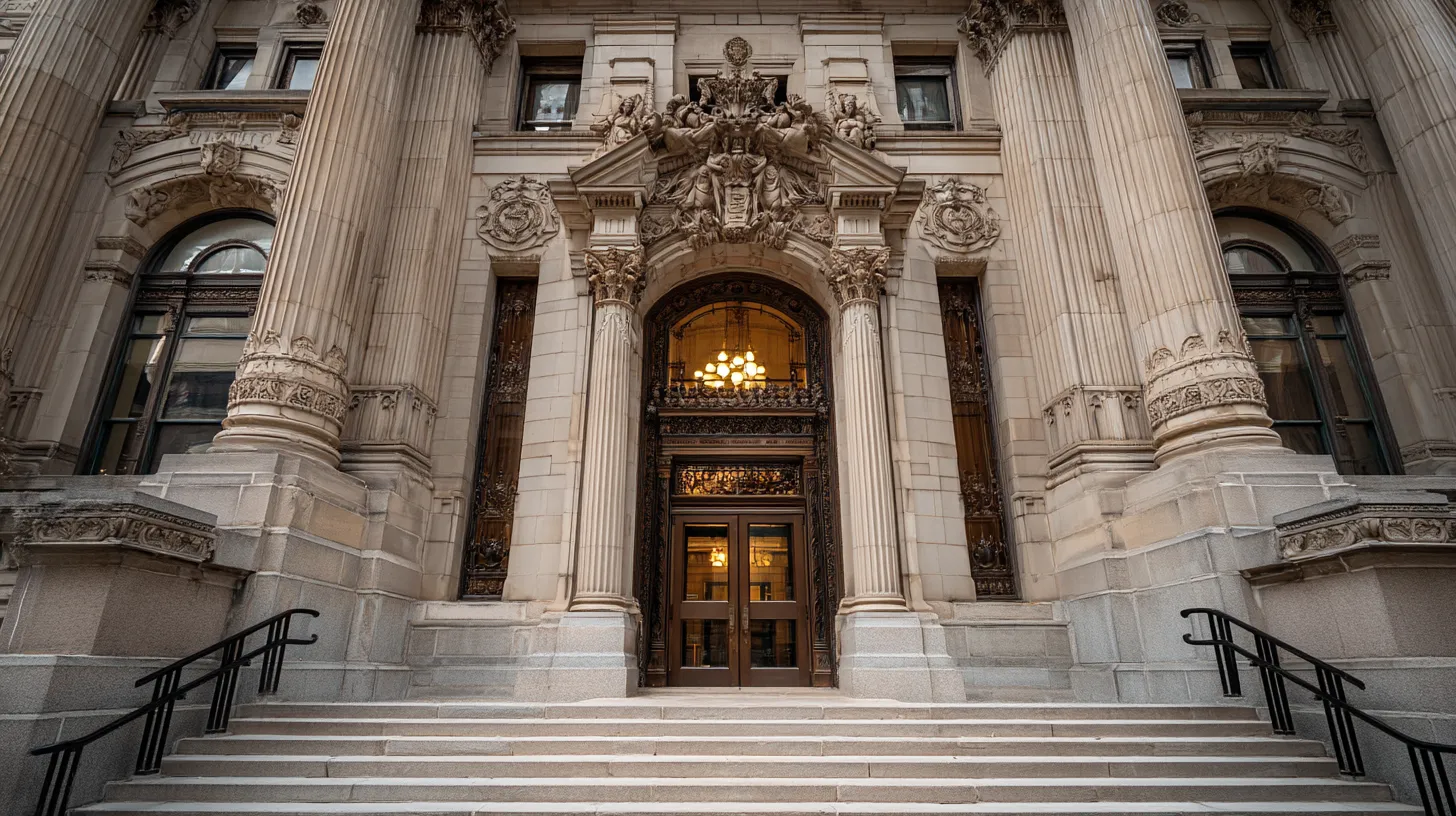
USCIS Services in Minnesota
Minnesota residents file immigration applications with USCIS and are typically served by the Minneapolis Field Office. Minnesota has the largest Somali diaspora in the United States, centered in Minneapolis.
The state also has significant Hmong, Latinx, and East African communities.
USCIS fees are set by federal law and apply uniformly across all states. However, processing times, interview wait times, and the availability of local USCIS offices vary significantly by state and can affect your overall timeline and experience.
The most common USCIS applications filed by Minnesota residents include: N-400 (naturalization/citizenship), I-485 (adjustment of status to permanent resident), I-130 (petition for family members), I-765 (employment authorization), and I-131 (advance parole/travel document).
Minnesota does not mandate E-Verify for private employers; state agencies and contractors must use E-Verify. Minnesota does not issue standard driver's licenses to undocumented immigrants (though legislation has been repeatedly proposed).
Minnesota offers in-state tuition to undocumented students under the Minnesota Dream Act (HF 1 / SF 1, enacted 2023). Minnesota's policies on ICE cooperation are generally limited — Minneapolis and St.
Paul maintain sanctuary-adjacent policies. Minnesota does not have a formal state Office for New Americans, but the Minnesota Department of Human Services coordinates the Refugee Resettlement program, and the Immigrant Law Center of Minnesota provides statewide legal services.
USCIS Processing Times for Minnesota
Naturalization (Form N-400) applicants in Minnesota currently wait approximately 9 months for an interview at the Minneapolis Field Office. This includes the time from filing to receiving your interview notice.
After the interview, the oath ceremony typically follows within 1–3 months.
Adjustment of status (Form I-485) applicants in Minnesota can expect approximately 14 months from filing to interview. This varies significantly based on your priority date (for family and employment categories) and current USCIS workload at the Minneapolis office.
Processing times are updated regularly on the USCIS website. If your case has exceeded the posted processing time, you may submit a service request through your USCIS online account.
In urgent situations (impending naturalization ceremony for military deployment, medical emergency), expedited processing may be requested.

USCIS Fee Schedule — Key Applications
- USCIS fees are uniform nationally regardless of your Minnesota residence. Current key fees include: N-400 (Naturalization) general filing — lower online than paper, with reduced-fee and fee waiver categories for qualifying applicants
- I-485 (Adjustment of Status) — separate paper and online amounts for most applicants age 14 and older
- I-130 (Family Petition) — $675 paper / $625 online
- I-140 (Immigrant Petition for Alien Workers) — $715 paper / $665 online plus any applicable statutory surcharges
- I-765 (Employment Authorization) — category-specific pricing
- and I-131 (Travel Document / Advance Parole) — category-specific pricing.
Biometrics fees are now bundled into most primary application fees. Filing fees paid to USCIS are generally not reimbursable, even if the application is denied.
Use the USCIS fee calculator on the USCIS website to determine the exact fees for your specific application combination.
Fee waivers are available for many applications for applicants who receive means-tested benefits, meet USCIS income rules, or can document financial hardship. Immigration attorneys in Minnesota can help determine if you qualify and assist with the waiver request.
Some additional statutory fees are not waivable, so a $0 filing-fee result does not always mean the total USCIS payment is $0.
Payment rules matter as much as the fee amount. Depending on the form and filing location, USCIS may accept credit card, debit card, prepaid card, ACH payment, cashier's check, personal or business check, or money order.
If you use Form G-1450 for credit card transactions, Form G-1650 for ACH transactions, Pay.gov, or a USCIS lockbox payment, confirm the authorization, separate payment, and correct fee amount before mailing or submitting the form.
How to pay USCIS filing fees in Minnesota
A Minnesota USCIS fee calculator should flag payment-method risk. USCIS can reject your application if the credit card is declined, the ACH authorization is invalid, the payment is returned as unpayable, or the filing and biometric payment does not match the current form instructions.
Use a separate payment when USCIS requires one and check whether the form is filed online, by mail, at a USCIS lockbox facility, or at an international office.
Common payment forms include Form G-1450 Authorization for Credit Card Transactions, Form G-1650 Authorization for ACH Transactions, Pay.gov for eligible online filings, cashier's check, money order, personal check, business check, debit card, and prepaid card. Do not assume every USCIS service accepts every form of payment.
Fee waiver, reduced fee, asylum program fee, I-129, I-140, I-765, I-131, N-400, and adjustment-of-status filings can each have different instructions.
Use the official gov website, USCIS form instructions, and G-1055 fee schedule before you file your form. HR-1, TPS, embassy or consulate filings, a form at an international office, and forms filed through secure websites can all have different payment rules.
Some applicants cannot pay by card, some need ACH payments with sufficient funds, and some must use personal or business check, Mastercard, American Express, or another accepted form of payment. USCIS may reject your application for an incorrect payment amount, incorrect filing, or a missing separate payment.
If household income is low, check fee waiver and reduced-fee rules against the federal poverty guidelines before mailing. Biometric services and biometric service fees are final in many cases, even when a case is denied.
A Nevada applicant who is unable to pay should confirm the correct amount, whether the page or webpage has been updated for 2026, whether certain forms require a separate filing and biometric payment, and whether the selected payment method works for the filing location.
Ready to calculate?
Get a free Minnesota estimate using actual statutory data.
What the Minnesota USCIS fee calculator should include
A Minnesota USCIS fee calculator should separate federal filing fees from state-specific cost drivers. Federal form fees do not change because you live in Minnesota, but local civil surgeon prices, attorney rates, document retrieval costs, translations, courier expenses, and travel to biometrics or interview appointments can change the practical total.
For green card applicants, include Form I-130 or I-140, Form I-485, the civil surgeon medical exam, work authorization if needed, travel authorization if needed, translations, passport photos, and any inadmissibility waiver. For naturalization applicants, include Form N-400, biometrics logistics, certified court records, tax transcripts, translations, and passport costs after the oath ceremony.
For employment-based cases, the cost estimate should also distinguish employee-paid USCIS fees from employer-side costs such as PERM recruitment, legal fees, I-140 preparation, premium processing, and statutory employer surcharges. Mixing these together can make a personal budget look much higher or lower than what the applicant actually pays.

Minnesota cost drivers beyond USCIS filing fees
Minnesota applicants should budget for civil surgeon pricing, vaccination records, certified birth or marriage certificates, certified court dispositions, translations, photos, and trackable mailing. These are not USCIS filing fees, but they can delay an application if they are missing when you are ready to file.
Attorney fees in Minnesota depend on case type. A straightforward N-400 or family petition may be quoted as a flat fee, while adjustment cases with overstays, criminal history, prior removals, public-charge questions, or waiver issues generally require more legal review.
Employment cases add a separate employer-side budget for PERM, I-140, premium processing, and compliance support.
Minnesota's local cost picture depends on where the applicant lives relative to the Minneapolis Field Office and nearby Application Support Centers. Rural applicants may face higher travel costs, while metro applicants may face higher attorney and medical exam prices.
Immigration in Minnesota — Key Statistics
Approximately 8.8% of Minnesota's population is foreign-born — near the national average of 13.9%. The largest immigrant group originates from Somalia.
Minnesota's immigrant community contributes significantly to the state's economy. Immigrant workers are disproportionately represented in healthcare, agriculture, technology, construction, and hospitality sectors.
Many immigrants in Minnesota are LPRs (lawful permanent residents) pursuing naturalization, while others are on work visas or seeking family reunification.
Minnesota has strong state-level protections for immigrants, including access to state services and driver's licenses regardless of federal immigration status. Consult a licensed immigration attorney for advice specific to your situation and Minnesota law.
Finding an Immigration Attorney in Minnesota
Immigration law is complex and mistakes on USCIS applications can have serious consequences, including denial, delays, and in some cases, removal proceedings. An experienced immigration attorney in Minnesota can review your application for completeness, advise on potential issues, prepare you for your interview, and represent you if problems arise.
To find a qualified immigration attorney in Minnesota, contact us, contact the Minnesota State Bar Association's referral service, or use the American Immigration Lawyers Association (AILA) attorney finder. Nonprofit legal aid organizations in Minnesota may offer free or low-cost immigration services for qualifying individuals.
Be cautious of notarios and unauthorized immigration consultants who may charge fees but cannot provide legal advice. Only licensed attorneys or accredited representatives can provide legal immigration services in Minnesota.
Unauthorized practice of immigration law is a federal crime.

Naturalization Process in Minnesota
- To become a U.S. citizen through naturalization in Minnesota, you must: (1) be a Lawful Permanent Resident for 5 years (3 years if married to a U.S. citizen)
- (2) have continuous residence and physical presence in the U.S.
- (3) be a resident of Minnesota for 3 months before filing
- (4) demonstrate good moral character
- (5) pass English language and civics tests
- and (6) take the Oath of Allegiance.
The civics test consists of 10 questions selected from 100 official questions about U.S. history and government.
You must answer 6 of 10 correctly. Free study materials are available on the USCIS website, and many public libraries and community organizations in Minnesota offer free citizenship preparation classes.
After your N-400 interview at the Minneapolis office, if approved, you will be scheduled for an Oath of Allegiance ceremony. In Minnesota, these ceremonies are held periodically at federal courts and USCIS field offices.
The ceremony is a meaningful milestone — bring family and be prepared to surrender your permanent resident card.
Questions families ask about Minnesota uscis fee
Edited and reviewed by our editorial team. Answers are general information — not legal advice.
How long does naturalization take in Minnesota?
Approximately 9 months from filing to interview at the Minneapolis Field Office, plus 1–3 months for the oath ceremony. Total timeline is typically 11 to 13 months.
What does it cost to become a U.S. citizen?
USCIS lists different N-400 amounts for online filing, paper filing, reduced-fee applicants, and fee waiver requests. Biometrics are generally bundled into the listed N-400 fee. Low-income applicants may qualify for a fee waiver or reduced fee based on household income and supporting documentation.
Can I file my USCIS application online?
Yes — USCIS offers online filing for many applications including N-400, I-485, I-130, I-765, and I-131 through your myUSCIS account. Online filing allows you to check case status, respond to requests, and communicate with USCIS directly.
Where is the USCIS office nearest to me in Minnesota?
The primary Field Office serving Minnesota is Minneapolis. You can find the exact address and contact information on the USCIS website under "Find a USCIS Office."
What should a Minnesota USCIS fee calculator include?
Include federal form fees, medical exam costs where required, translations, certified documents, attorney fees, travel to USCIS appointments, and whether the case is naturalization, adjustment of status, consular processing, or employment-based sponsorship.
User Reviews
No reviews yet. Be the first to rate this calculator!
Get uscis fee for your county
USCIS Fee Calculator in states that border Minnesota
Key statutes: Minn. Stat. § 524.3-719
Sources
- Minnesota Judicial Branch — immigration court procedures and USCIS filing information
- Minnesota Statutes — Revisor — immigration statutes, fee schedules, and eligibility rules
- Minnesota State Bar Association — immigration attorney resources and directory
USCIS Fee Calculator in other states
Legal professional? Learn about our tools for legal professionals
Run your Minnesota uscis fee estimate in under a minute.
Free. No signup. Reviewed by our editorial team and sourced to Minnesota statutes and fee schedules.
Open the calculatorLegal information, not legal advice. The USCIS Fee Calculator for Minnesota produces estimates based on public fee schedules and state statutes. Actual costs vary by case. For advice about your situation, consult a licensed Minnesota attorney.