Texas Bail
Bond Calculator
Get a free estimate using Texas's actual statutory data and filing requirements.
Estimate your Texas Bail Bond
Get a free estimate using Texas's actual statutory data and filing requirements.
Data sourced from Texas statutes and court fee schedules.
Important: This tool provides educational estimates only — not legal advice. Made For Law is not a law firm and is not affiliated with, endorsed by, or connected to any federal, state, county, or local government agency or court system. Calculator results are based on statutory formulas and publicly available fee schedules — not AI. Supporting content is AI-assisted and editorially reviewed. Results may not reflect recent legislative changes or your specific circumstances. Do not rely solely on these estimates — always verify with official sources and consult a licensed attorney before making legal or financial decisions. Full disclaimer
Texas legal data verified against Tex. Est. Code § 352.002.
Key Takeaways
- Standard bail bond premium in Texas: 10% (non-refundable)
- After a failure to appear, bondsmen have 180 days to return the defendant
- Bondsmen regulated by: Texas Department of Insurance
- Governing statute: Tex. Occ. Code § 1704.001 et seq.
Key facts for Texas bail bond
What drives bail bond in Texas
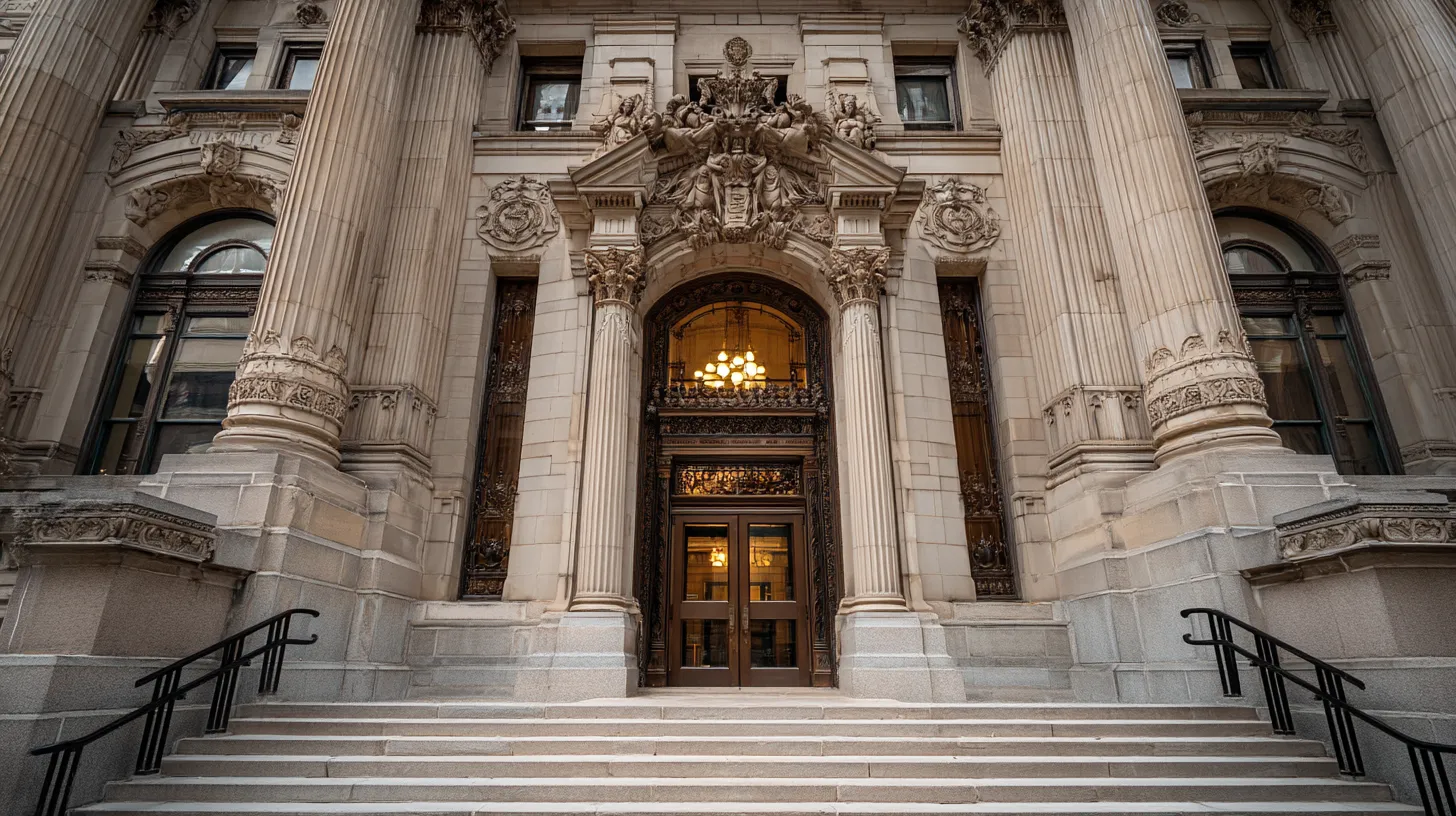
How Bail Bonds Work in Texas
Texas has one of the nation's most active bail bond markets. The non-refundable premium is 10%.
Bondsmen have 180 days after a failure to appear to return the defendant before a final judgment. Texas separately licenses bail bond sureties through the Department of Insurance and bail recovery agents (bounty hunters) through the Department of Public Safety.
Recovery agents must carry identification, give verbal notice, and wear distinctive clothing during apprehensions.
To get a bail bond in Texas, a defendant's family or friends contact a licensed bondsman. The bondsman charges a non-refundable premium of **10%** and then posts a surety bond with the court guaranteeing the defendant's appearance.
On a $20,000 bail, the premium is $2,000 — gone even if the defendant is acquitted or charges are dropped. The bondsman is on the hook for the full $20,000 if the defendant disappears.
Bondsmen in Texas are regulated by the Texas Department of Insurance and must be licensed. The governing statute is Tex.
Occ. Code § 1704.001 et seq..
Always verify a bondsman's license before paying any money — unlicensed bail bondsmen operate illegally and offer no legal protections. You can verify licensure through the Texas Department of Insurance's public license lookup.
Bail Bond Costs in Texas
The standard bail bond premium in Texas is **10% of the total bail amount — set by state law and non-negotiable. This fee is earned when the bond is posted and is never refunded** — not if the defendant is acquitted, not if charges are dropped, not if the case is dismissed.
It is the cost of the bondsman's guarantee.
Texas allows premium financing — bondsmen may accept a payment plan instead of the full premium upfront. If a bondsman offers a payment plan, ask about the total cost (interest and fees included) before agreeing.
A payment plan does not reduce the total non-refundable amount; it only changes when payments are due. Missed payments on a financed premium can result in the bondsman surrendering the defendant to custody — voiding the bond.
Collateral: for high-bail cases, bondsmen in Texas routinely require collateral equal to the full bail amount beyond the premium — real estate equity, vehicle titles, jewelry, or bank accounts. Collateral is returned after the bond is exonerated (case concluded, defendant appeared).
If the defendant fails to appear and the bond is forfeited, the bondsman can liquidate the collateral to cover the loss. All collateral arrangements should be documented in a signed written agreement.

What Happens If the Defendant Misses Court in Texas?
If a defendant misses a court date in Texas, the judge issues a bench warrant and the bail bond is forfeited. The court notifies the bondsman, who then has **180 days** to locate and surrender the defendant before the forfeiture becomes a final money judgment against the bondsman for the full bail amount.
To find the defendant, bondsmen in Texas often hire bail enforcement agents — sometimes called bounty hunters. Regulated — bail bond sureties licensed; bail recovery agents require separate license from DPS.
The rules governing bail enforcement agents in Texas vary from how they may enter premises to what force they may use — violations of these rules can result in criminal charges against the agent and civil liability.
If the bondsman cannot return the defendant within 180 days, the court enters a final judgment for the full bail amount. The bondsman must pay — and will typically seize any collateral the defendant's family posted.
This financial pressure is the economic mechanism that drives the commercial bail system: bondsmen are motivated to find missing defendants because their own money is at risk.
Alternatives to Bail Bonds in Texas
Beyond a commercial bail bond, defendants in Texas may be eligible for: (1) Release on Recognizance (OR) — no payment required, signed promise to appear; (2) Cash bail — paying the full amount directly to the court (refundable at case end minus fees); (3) Property bond — using real estate equity as collateral instead of cash; (4) Own recognizance with conditions — supervision, check-ins, electronic monitoring.
For defendants who cannot afford bail, a criminal defense attorney can file a motion to reduce bail or request release on recognizance. Courts must consider the defendant's financial circumstances when setting bail — under Supreme Court precedent, courts cannot jail someone solely because they are too poor to pay.
In Texas, public defenders can bring bail hearings and argue for lower financial conditions or release on supervision.
Legal aid and nonprofit organizations: many states have nonprofit bail funds that post bail for defendants who cannot afford it, particularly for lower-income individuals charged with nonviolent offenses. National Bail Fund Network (bailfundnetwork.org) maintains a directory of local bail funds.
Contact Texas Legal Aid (your state bar's referral line) for local resources.
Ready to calculate?
Get a free Texas estimate using actual statutory data.
Finding a Licensed Bail Bondsman in Texas
All bail bondsmen in Texas must be licensed through the Texas Department of Insurance. Before paying any premium or signing any agreement, verify the bondsman's license using the state's online license lookup.
An unlicensed bondsman cannot legally post bond — the bond may be invalid and you have no regulatory recourse if something goes wrong.
Use the contact us to locate a criminal defense attorney who can advise you on the bail process, negotiate with the court for lower bail, or file a motion for release. This is separate from the bondsman — a criminal defense attorney represents the defendant's interests; a bondsman is a financial service provider, not a legal representative.
User Reviews
No reviews yet. Be the first to rate this calculator!
Get bail bond for your county
Bail Bond Calculator in states that border Texas
Key statutes: Tex. Est. Code § 352.002
Sources
- Texas Courts Online — criminal court bail procedures, arraignment, and pretrial hearings
- Texas Statutes — Legislature Online — bail bond statutes, premium rates, forfeiture rules, and licensing requirements
- State Bar of Texas — criminal defense attorney resources and bail bondsman directory
Bail Bond Calculator in other states
Legal professional? Learn about our tools for legal professionals
Run your Texas bail bond estimate in under a minute.
Free. No signup. Reviewed by our editorial team and sourced to Texas statutes and fee schedules.
Open the calculatorLegal information, not legal advice. The Bail Bond Calculator for Texas produces estimates based on public fee schedules and state statutes. Actual costs vary by case. For advice about your situation, consult a licensed Texas attorney.
Related Criminal Defense Calculators
Before filing, check court filing fees by state →