Wisconsin Expungement
Eligibility Checker
Check whether your criminal record qualifies for expungement or sealing in Wisconsin.
Estimate your Wisconsin Expungement Eligibility
Check whether your criminal record qualifies for expungement or sealing in Wisconsin.
Data sourced from Wisconsin statutes and court fee schedules.
Important: This tool provides educational estimates only — not legal advice. Made For Law is not a law firm and is not affiliated with, endorsed by, or connected to any federal, state, county, or local government agency or court system. Calculator results are based on statutory formulas and publicly available fee schedules — not AI. Supporting content is AI-assisted and editorially reviewed. Results may not reflect recent legislative changes or your specific circumstances. Do not rely solely on these estimates — always verify with official sources and consult a licensed attorney before making legal or financial decisions. Full disclaimer
Wisconsin allows certain criminal records to be expunged or sealed, subject to eligibility requirements including offense type, completion of sentence, and waiting periods under Wis. Stat. § 857.05. Some states have enacted automatic "clean slate" laws for qualifying offenses.
Key Takeaways
- Eligibility depends on offense type and case outcome.
- Waiting periods must be satisfied before filing.
- Court costs and petition requirements vary by jurisdiction.
- Misdemeanor waiting period: 5 years after sentence completion
Key facts for Wisconsin expungement eligibility
What drives expungement eligibility in Wisconsin

Expungement Laws in Wisconsin
In Wisconsin, a misdemeanor expungement requires a 5-year waiting period after completing your sentence, a $0 court filing fee, and — in most cases — no new criminal charges during that period. Most felony convictions are not eligible.
The governing statute is Wis. Stat.
§ 973.015. Wisconsin has one of the most restrictive expungement systems.
Expungement is only available if the judge granted it at the time of sentencing (not retroactively) and only for offenses carrying a maximum penalty of 6 years or less. A retroactive expungement bill has been pending in the legislature.
Expunging a criminal record in Wisconsin can open doors to employment, housing, professional licensing, and education — all of which background checks routinely flag. A single misdemeanor conviction can disqualify applicants from jobs, apartments, and professional licenses even decades after the offense.
Wisconsin requires a court petition to obtain expungement — it is not automatic. You must file the appropriate forms, pay the filing fee, and attend a hearing if required.
Wisconsin's uniquely restrictive expungement system — requiring the sentencing judge to grant expungement at the time of the original sentence, not retroactively — means the window to seek expungement closes at sentencing for most defendants. SB 263 (a retroactive expungement bill) has been introduced in multiple legislative sessions but has not yet passed.
Wisconsin's ban-the-box law covers state employment (Executive Order 2019); Milwaukee County has extended it to private employers by ordinance. Milwaukee County Circuit Court handles the highest expungement petition volume.
Legal Action of Wisconsin and Legal Aid Society of Milwaukee provide free assistance; Marquette Volunteer Legal Clinics also offer expungement guidance.
Wisconsin expungement eligibility checker: what to check in Wisconsin
Wisconsin expungement eligibility is narrower than many states because relief often depends on whether expungement was ordered at sentencing and whether the person successfully completed the sentence.
Use the Wisconsin calculator on this page as a first-pass estimate, then confirm any court, agency, or county rule that applies to the specific filing or benefit question. Statewide estimates are most useful when they are paired with the exact case type, household facts, or asset category at issue.
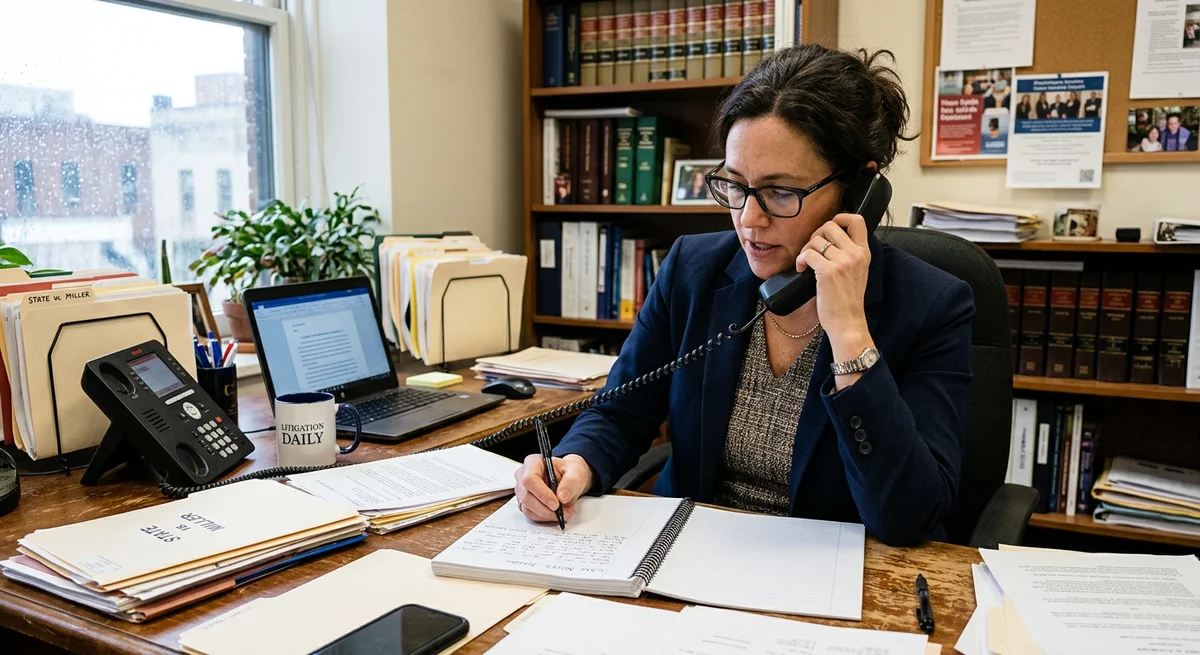
Wisconsin Expungement Eligibility Checker Inputs
Use this Wisconsin expungement eligibility checker to screen whether a criminal record may qualify for expungement, record sealing, set-aside, annulment, or automatic clean-slate relief. Enter the offense type, conviction or dismissal date, sentence completion date, probation status, unpaid fines, new arrests, and whether the offense involved violence, a child victim, sex offender registration, DUI, or a professional license.
For Wisconsin, the first eligibility screen is the waiting period: 5 years for misdemeanors, with most felonies generally unavailable. The second screen is offense category.
Some cases that look old enough still fail because the charge is excluded, the sentence was not fully completed, or a later arrest restarted the timeline.
If the checker says you may qualify, gather the judgment, docket sheet, probation discharge, payment receipts, criminal history report, and any prior expungement orders before filing. If it says you do not qualify, review whether Wisconsin has a separate pardon, certificate of rehabilitation, cannabis relief, deferred adjudication, or automatic sealing path that may still help with background checks.
Eligibility for Expungement in Wisconsin
- To be eligible for expungement in Wisconsin, you generally must: (1) have completed all terms of your sentence including probation and fines
- (2) wait 5 years after completing your sentence for misdemeanors
- and (3) have no new criminal charges or convictions during the waiting period.
- Wisconsin categorically excludes certain offenses from expungement eligibility. These typically include: sexual offenses and crimes requiring sex offender registration
- violent felonies
- crimes against children
- DUI/DWI convictions in most cases
- and offenses with mandatory minimum prison sentences. In Wisconsin, most felony convictions are not eligible for expungement.
Drug offenses in Wisconsin face additional restrictions on expungement eligibility. Consult an attorney to determine if your specific drug conviction qualifies.
Ready to calculate?
Get a free Wisconsin estimate using actual statutory data.
How to File for Expungement in Wisconsin
The Wisconsin expungement process typically involves: (1) obtaining your official court records and criminal history; (2) determining eligibility based on offense type, waiting period, and sentence completion; (3) completing the petition form and gathering supporting documents; (4) filing with the appropriate Wisconsin court and paying the $0 filing fee; (5) serving notice on the prosecutor and law enforcement agencies; and (6) attending any scheduled hearing.
After filing, the prosecutor's office receives notice and has the opportunity to object. If no objection is filed and the judge finds you meet the criteria, the expungement order will be issued.
You will then need to follow up to ensure all agencies (police, state criminal records bureau, federal databases) have removed or sealed the record.
Processing times in Wisconsin typically range from 2 to 6 months from filing to final order, depending on the court's docket and whether any objections are filed. Some jurisdictions in Wisconsin move faster; busy urban courts may take longer.

Expungement vs. Record Sealing in Wisconsin
Wisconsin's expungement law seals records from public access, but some government agencies and law enforcement may retain access to sealed records. The practical effect is that standard background checks used by employers and landlords should not reveal expunged records.
Even after expungement in Wisconsin, certain entities may still access the sealed records: federal law enforcement agencies (FBI, ICE), military background checks, applications for positions of public trust (security clearances), and certain professional licensing boards. Understand these limitations when deciding whether to invest in the expungement process.
For immigration purposes, an expunged conviction may still count as a "conviction" under federal immigration law, which uses its own definition. If you are not a U.S.
citizen, consult an immigration attorney before pursuing expungement, as it does not necessarily protect immigration status.
Cost of Expungement in Wisconsin
The court filing fee in Wisconsin is $0 — no filing fee is required. Additional costs to budget for include: certified copies of court records ($10–$50), criminal background check ($15–$30), postage and service fees for notifying agencies ($25–$75), and attorney fees if you hire legal representation.
Attorney fees for expungement in Wisconsin typically range from $500 to $2,500 depending on the complexity of the case, number of charges, and whether a hearing is required. Many attorneys offer a flat fee for straightforward expungements.
Some legal aid organizations in Wisconsin provide free or reduced-fee expungement services for qualifying income-eligible applicants.
DIY expungement is possible in Wisconsin for simple cases — especially if your record involves only one charge and there are no complicating factors. Many Wisconsin courts provide self-help forms.
However, any errors in the petition or service can delay or derail the case, so professional guidance is recommended.
Benefits of Expungement in Wisconsin
After expungement in Wisconsin, you may legally answer "no" on most job applications, rental applications, and professional license applications when asked if you have been convicted of a crime. This is a significant practical benefit that can immediately improve employment prospects.
Studies consistently show that expungement recipients in states like Wisconsin experience significant wage increases and improved employment stability. A 2020 University of Michigan study found expungement recipients experienced 22% wage growth in the two years following expungement.
Expungement in Wisconsin can also restore certain civil rights, restore eligibility for some government assistance programs, and improve professional licensing prospects. Find a Wisconsin expungement attorney to confirm your eligibility and handle the petition — many offer flat fees for straightforward cases.

Questions families ask about Wisconsin expungement eligibility
Edited and reviewed by our editorial team. Answers are general information — not legal advice.
How long does expungement take in Wisconsin?
After filing, expect 2–6 months for the court to process the petition. The waiting period before you can file (5 years for misdemeanors) must first pass after completing your sentence.
How much does it cost to expunge a record in Wisconsin?
Court filing fee is $0. Attorney fees add $500–$2,500 for representation. Total out-of-pocket costs for a professionally handled expungement typically range from $700 to $3,000.
Will expungement clear my record from background check websites?
After a court order, state agencies update their records. However, private background check companies and websites may not update immediately. You may need to contact them individually or wait for their next database refresh cycle. For national criminal record data and background check context, see the Bureau of Justice Statistics criminal record data.
Can I expunge a DUI in Wisconsin?
DUI convictions are generally not eligible for expungement in Wisconsin. Wis. Stat. § 973.015 governs which offenses qualify. Consult an attorney for your specific situation.
User Reviews
No reviews yet. Be the first to rate this calculator!
Get expungement eligibility for your county
Expungement Eligibility Checker in states that border Wisconsin
Key statutes: Wis. Stat. § 857.05
Sources
- Wisconsin Court System — criminal court expungement procedures and petition forms
- Wisconsin Statutes — Legislature — expungement statutes, eligibility criteria, and waiting periods
- State Bar of Wisconsin — criminal defense attorney resources and directory
Expungement Eligibility Checker in other states
Legal professional? Learn about our tools for legal professionals
Run your Wisconsin expungement eligibility estimate in under a minute.
Free. No signup. Reviewed by our editorial team and sourced to Wisconsin statutes and fee schedules.
Open the calculatorLegal information, not legal advice. The Expungement Eligibility Checker for Wisconsin produces estimates based on public fee schedules and state statutes. Actual costs vary by case. For advice about your situation, consult a licensed Wisconsin attorney.
Related Criminal Defense Calculators
Before filing, check court filing fees by state →